Bali keeps attracting investors, developers, and private owners who want to build villa clusters for tourism and long-term rental. These projects look elegant from the outside, but the construction process often feels complex on site. Limited access roads, tight schedules, skilled labor shortages, and strict quality expectations all add pressure. So a common and very practical question comes up early: is a 60 m³/h concrete pumping machine for sale the right choice for villa cluster projects in Bali?
The short answer is yes, in many cases it is. However, the real value comes from understanding why it works, where it fits best, and how it supports smooth construction from day one to handover. Let’s walk through this step by step, from a contractor’s perspective and a project owner’s mindset.
Understanding Villa Cluster Construction in Bali
Before choosing any concrete pumping solution, it helps to look at how villa cluster projects usually run in Bali.
Most villa clusters include 5 to 30 units. Each unit often has one or two floors. Some projects add rooftop terraces, swimming pools, and decorative concrete elements. At the same time, many sites sit in residential or semi-rural areas with narrow roads and limited turning space.
Because of this, contractors need equipment that balances output, flexibility, and ease of movement. A pump that looks perfect on paper may struggle on site. This context explains why capacity alone never tells the full story.
What Does a 60 m³/h Concrete Pump Really Mean?
To make a smart decision, we first need to clarify what a 60 m³/h concrete pump offers in real conditions.
A 60 cubic meters per hour concrete pump delivers medium-level output. It does not chase extreme volume. Instead, it focuses on steady, controlled pouring. In villa construction, this approach often works better than aggressive high-capacity pumping.
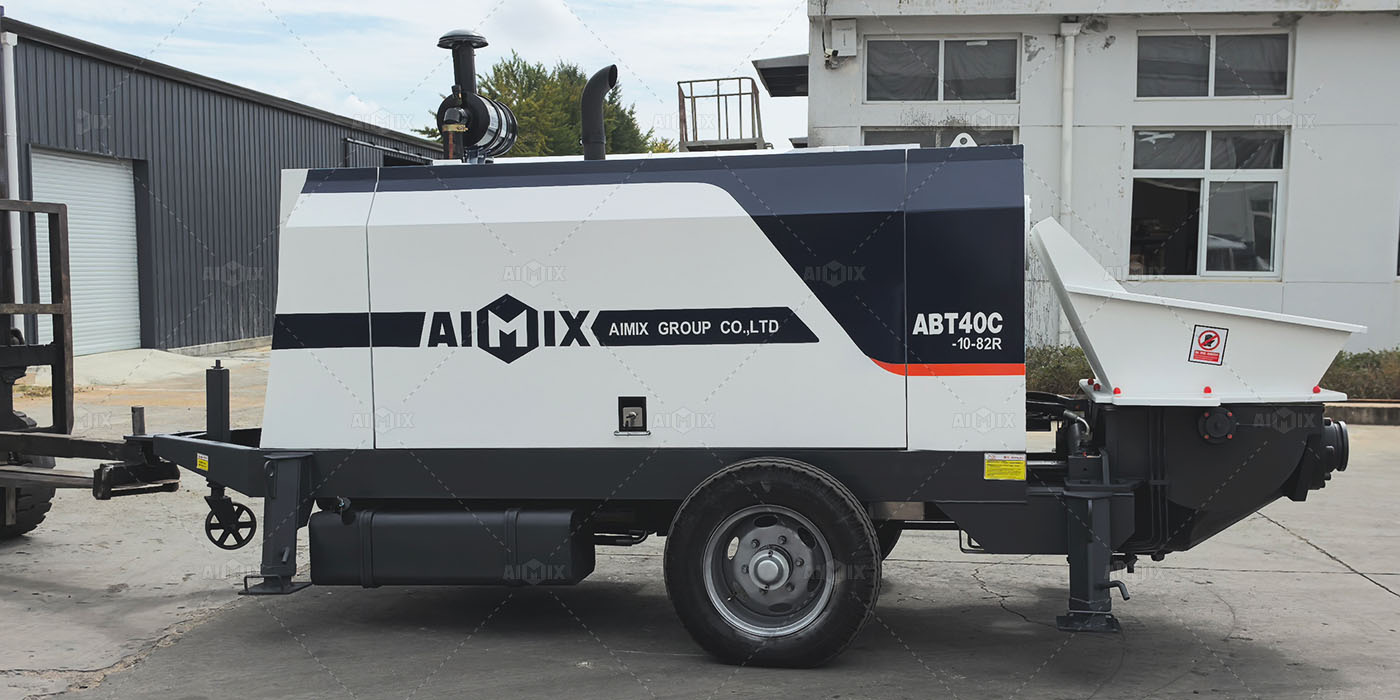
More importantly, a 60 m³/h pompa beton portable usually comes in compact trailer or mixer pump configurations. This design suits Bali’s job sites, where space matters every day.
Why Capacity Matching Matters for Villa Projects
Now that we understand the basics, let’s connect pump capacity with actual villa construction needs.
Villa foundations, columns, beams, slabs, and pool structures rarely need massive continuous pours. Instead, crews pour in stages. They focus on accuracy, surface finish, and timing. A 60 m³/h concrete pump supports this rhythm very well.
At the same time, this capacity prevents common problems. Oversized pumps often force crews to rush. Smaller pumps may slow everything down. In contrast, a 60 m³/h pump keeps progress steady and predictable.
How a 60 m³/h Pump Fits Bali’s Site Conditions
After capacity, site conditions usually become the deciding factor. Bali presents unique challenges that directly influence equipment choice.
Narrow Access Roads and Limited Space
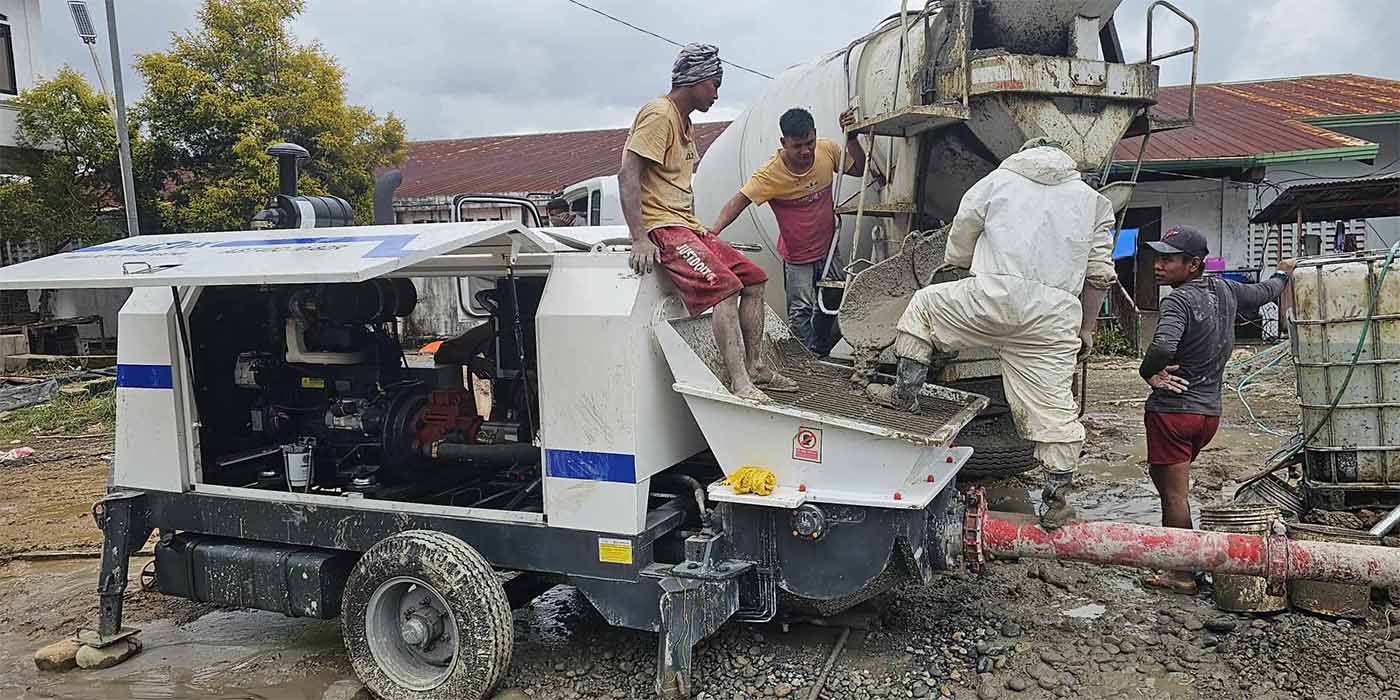
Many villa sites sit behind narrow village roads. Large boom pumps may struggle to enter or set up safely. A 60 m³/h trailer or mixer pump, however, moves easily and sets up fast.
This flexibility reduces delays. It also lowers the risk of neighbor complaints or traffic disruption, which matters a lot in Bali.
Height and Distance Requirements
Most villa clusters stay within low-rise or mid-rise height. A 60 m³/h mobil pompa beton handles vertical pumping for two- or three-story villas with ease. It also manages horizontal pumping across clustered units efficiently.
As a result, contractors maintain consistent concrete quality from the first unit to the last.
Labor Efficiency and Cost Control
Beyond technical fit, contractors and investors care deeply about costs and labor efficiency. This is where a 60 m³/h concrete pump shows its real strength.
First, the pump reduces manual handling. Fewer workers need to carry concrete or manage buckets. This improves safety and consistency.
Second, the pump shortens pouring time. Crews complete each stage faster. They move on to curing and finishing without unnecessary waiting.
Because of these factors, project managers gain better control over labor scheduling. Over time, this control directly improves profit margins.
Concrete Quality and Finish Matter More Than Speed
Villa buyers and investors expect high-quality finishes. Cracks, honeycombs, and uneven surfaces damage both reputation and resale value.
A 60 m³/h concrete pump supports controlled pouring. Operators adjust flow easily. Workers place concrete precisely. This control helps maintain consistent density and surface quality.
As a result, contractors reduce rework. They also build trust with developers and end clients.
Flexibility for Multi-Stage Villa Projects
Villa clusters rarely pour everything at once. Instead, construction happens in phases.
One week may focus on foundations. The next week may shift to columns or slabs. Later, crews may pour pool structures or boundary walls.
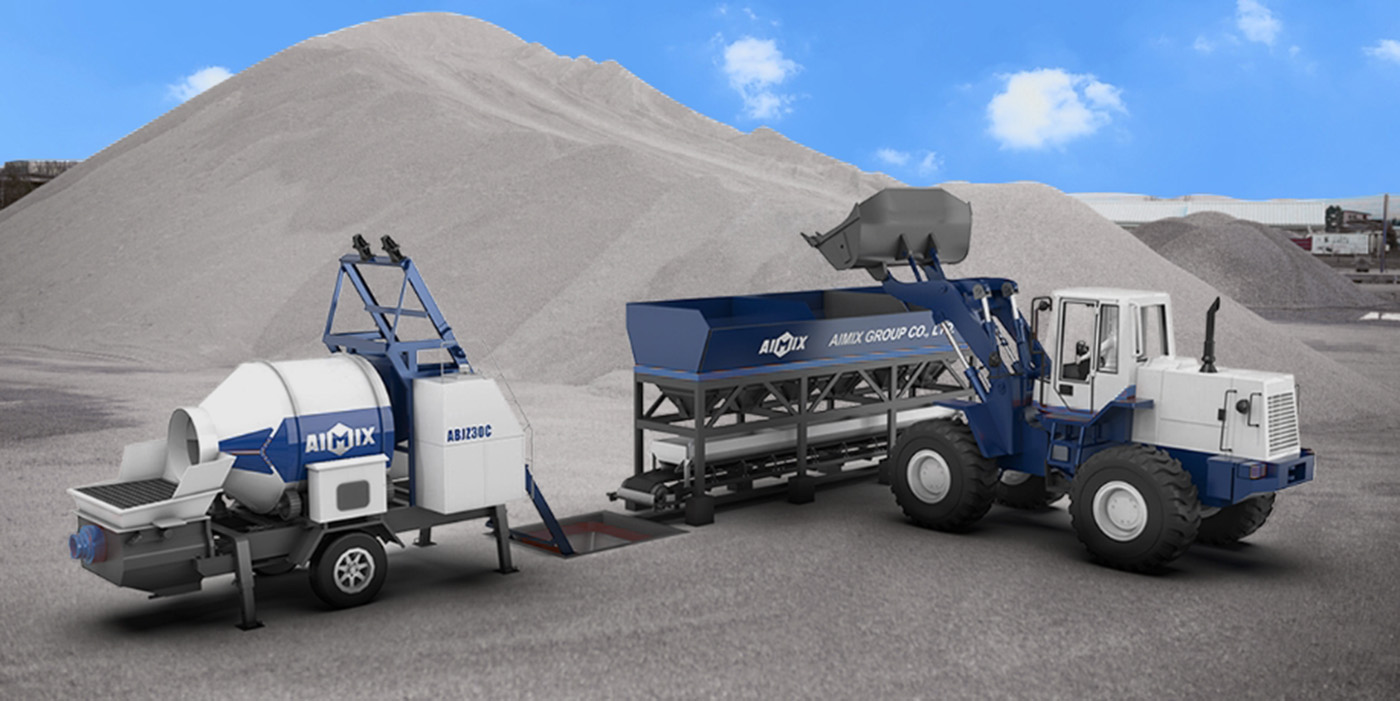
A 60 m³/h concrete pump adapts well to these changing tasks. It supports small pours without waste. It also handles larger slabs when needed. This flexibility makes it a long-term asset, not just a single-project tool.
Comparing a 60 m³/h Pump with Smaller and Larger Options
At this point, it helps to briefly compare alternatives.
Smaller pumps, such as 30–40 m³/h models, often struggle when schedules tighten. They extend pouring time and increase labor pressure.
Larger pumps, such as 80–100 m³/h models, may exceed site needs. They cost more to operate. They also require more space and stronger coordination.
Between these extremes, a 60 m³/h concrete pump offers a practical middle ground. It balances performance, cost, and adaptability.
Is a 60 m³/h Concrete Pump the Right Choice for Your Bali Project?
So, is a 60 m³/h concrete pump suitable for villa cluster projects in Bali? In most cases, yes.
If your project involves low-rise villas, phased construction, limited access, and high-quality expectations, this capacity fits very well. It supports efficient workflows. It protects concrete quality. It keeps costs under control.
Of course, every project differs. Site layout, pour volume, and construction pace still matter. However, for many Bali villa developments, a 60 m³/h concrete pump matches real-world needs better than larger or smaller alternatives.
Final Thoughts and Next Steps
Choosing the right concrete pump is not about buying the biggest machine. It is about matching equipment to your project reality.
A 60 m³/h concrete pump helps villa developers and contractors in Bali build faster, smarter, and with fewer headaches. It supports quality construction while respecting local site limitations.
If you are planning a villa cluster project in Bali and want to optimize concrete pouring from the start, consider this capacity carefully. A well-matched pump can turn construction challenges into competitive advantages.
Now is the right time to evaluate your project needs, site conditions, and long-term goals. With the right concrete pump solution, your Bali villa project can move forward with confidence. As a concrete pump manufacturer, we are welcoming your messages!